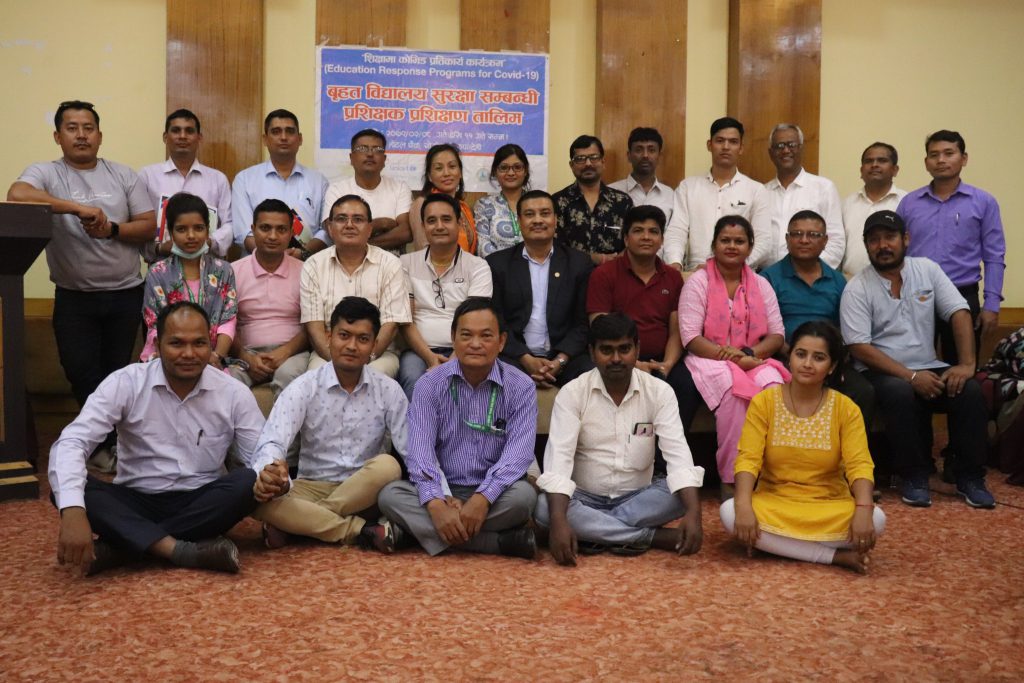
The Gender Audit Program, implemented in partnership with UNFPA (United Nations Population Fund), aimed to assess and strengthen gender responsiveness within institutions, policies, and programs. The initiative focused on evaluating organizational practices, identifying gender gaps, and promoting gender equality and inclusion in planning, implementation, and monitoring processes.
Despite policy commitments to gender equality, many institutions face challenges in effectively mainstreaming gender into their systems and programs. The Gender Audit Program conducted systematic assessments of organizational policies, practices, staffing structures, budgeting processes, and service delivery mechanisms.
Based on findings, the program provided recommendations, capacity-building support, and action plans to enhance gender-sensitive planning, budgeting, and implementation. The initiative aimed to create inclusive institutional environments that promote equal opportunities for women and marginalized groups.
Persistent gender inequalities and institutional gaps limit equitable access to services and opportunities. The Gender Audit Program sought to identify these gaps, strengthen gender mainstreaming practices, and promote accountability in achieving gender equality and women’s empowerment goals.
Comprehensive Assessment – Reviewing policies, programs, staffing, and budgeting from a gender perspective.
Stakeholder Consultation – Engaging staff, leadership, and beneficiaries in the audit process.
Capacity Building – Providing training on gender mainstreaming and gender-responsive budgeting.
Action Planning – Developing clear recommendations and improvement strategies.
Monitoring & Follow-Up – Supporting implementation of gender equality action plans.