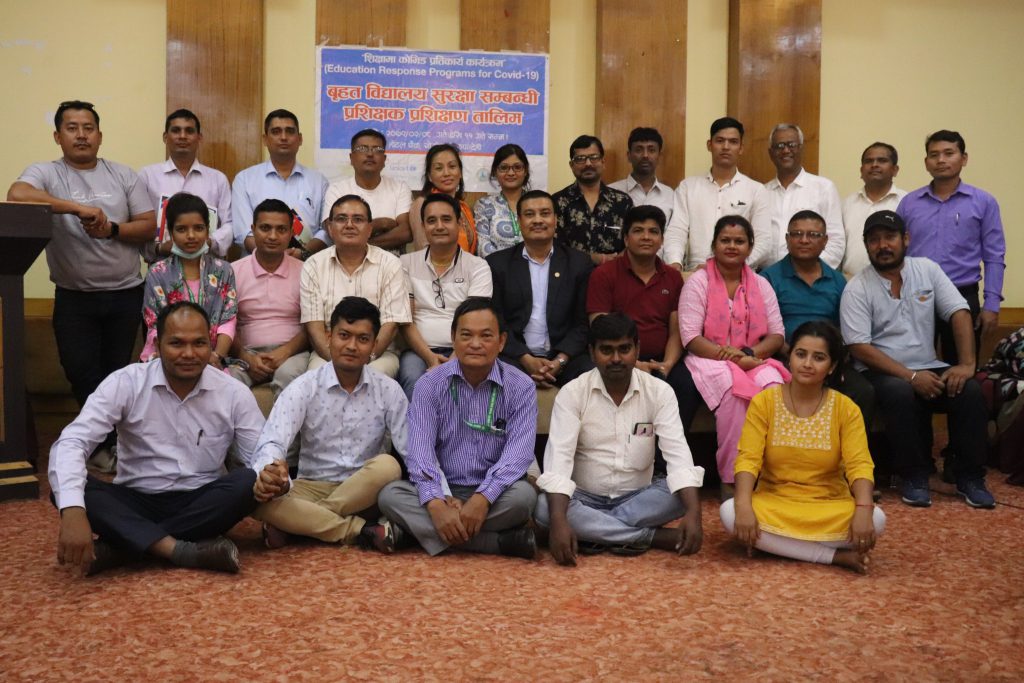
The Education Response Program for COVID-19, implemented in partnership with UNICEF and co-funded by the European Union, was designed to ensure continuity of learning and protect children’s right to education during and after the COVID-19 pandemic. The program focused on supporting safe school reopening, distance learning, psychosocial support, and strengthening education systems to become more resilient to future crises.
The COVID-19 pandemic disrupted education systems worldwide, causing prolonged school closures and learning losses. This Education Response Program aimed to mitigate these impacts by providing alternative learning modalities such as remote and digital learning, supporting teachers and students with necessary resources, and ensuring schools reopened safely with health and safety measures in place.
The program also focused on vulnerable and marginalized children, ensuring equitable access to learning opportunities and preventing dropouts.
The COVID-19 crisis significantly disrupted children’s education, widened learning gaps, and increased risks of school dropout, child labor, and early marriage. The Education Response Program sought to address these challenges by ensuring inclusive, safe, and continuous access to quality education while strengthening the education system’s capacity to respond to emergencies.